The word “holocaust”, according to Oxford Dictionary, means “a situation in which many things are destroyed, and many people are killed, especially because of war or fire”. The Holocaust was a terrible period in history when Nazi Germany, led by Adolf Hitler, killed about six million Jewish people during World War II (1939–1945).
The Nazis believed that Jewish people were dangerous and blamed them for Germany’s problems. The Nazis also killed millions of others, including: Roma people (sometimes called Gypsies), People with disabilities, Political opponents, Slavic people, Jehovah’s Witnesses, and anyone who spoke against the Nazi government. People were taken to Auschwitz, the largest and deadliest Nazi concentration and extermination camp, which was located in Poland. Many people were killed in gas chambers, using poisonous gas, while others died from Hunger, Disease, Extreme cold, Beatings and Exhaustion.
On January 27, 1945, Soviet soldiers reached Auschwitz and freed the prisoners who were still alive. They found about 7,000 weak and sick survivors. The Nazi leaders were put on trial.
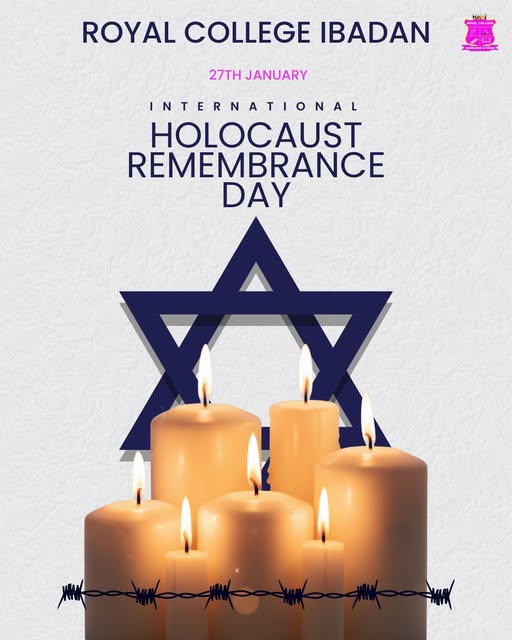
Today, January 27, is celebrated as International Holocaust Remembrance Day. It is a day to remember Auschwitz and all the victims of the Holocaust.
International Holocaust Remembrance Day is not only about looking back. It is also about asking questions today. How does hate begin? How does silence allow injustice to grow? What is our responsibility when we see discrimination, violence, or dehumanization around us? In many parts of the world, antisemitism, racism, and intolerance are still present. History shows us what can happen when these ideas are ignored or normalized. Remembering the Holocaust helps remind us that words can lead to actions, and actions can lead to unimaginable harm.
Education plays a key role in today’s events. According to the UN, there is an urgent need of developing educational programs about Holocaust history to enable the people of our time to prevent future acts of genocide. The history must be taught with clarity without any denial of the Holocaust as a true historical event. As a way forward to building common humanity, the UN condemns all manifestations of religious intolerance, incitement, harassment, or violence against persons or communities based on ethnic origin or religious belief. When students learn about the Holocaust, they learn more than dates and numbers. They learn about empathy, human dignity, and the importance of standing up for others. As we remember Auschwitz and all the lives lost, we honor the survivors who carried their stories forward despite their pain. We also honor those who resisted, those who helped others, and those who continue to speak out against hatred today.
International Holocaust Remembrance Day calls on all of us to remember, to educate, and to act. By remembering the past, we help protect the future. A future where humanity chooses compassion over cruelty and unity over division.