Every time we step outside, sunlight touches our skin, warms the earth, supports plant growth and makes life possible. However, some of the sun’s ultraviolet rays can be harmful to humans, animals and plants. Fortunately, the Earth has a natural shield called the ozone layer.
The ozone layer is a thin region of gas found high in the atmosphere. Although we cannot see it, it performs an essential duty every day by absorbing much of the sun’s harmful ultraviolet radiation. Without this protection, people would face a greater risk of skin cancer, eye cataracts and weakened immune systems. Crops, forests, animals and marine life would also be exposed to serious harm.
This is why the world observes the International Day for the Preservation of the Ozone Layer, also known as World Ozone Day, on 16 September every year.
During the twentieth century, scientists discovered that certain man-made chemicals were damaging the ozone layer. These chemicals, known as ozone-depleting substances, were commonly found in refrigerators, air conditioners, aerosol sprays, fire extinguishers and foam products. When released, the chemicals could travel into the upper atmosphere and gradually destroy ozone molecules. This resulted in the thinning of the ozone layer and the formation of what became widely known as the “ozone hole”. The discovery caused serious concern across the world. However, instead of ignoring the warning, governments listened to scientists and acted.
On 16 September 1987, countries adopted the Montreal Protocol on Substances that Deplete the Ozone Layer. The agreement established practical steps for reducing and eventually eliminating the production and use of harmful ozone-depleting chemicals. According to the United Nations Environment Programme, the agreement regulates the production and consumption of nearly 100 man-made chemicals that can damage the ozone layer. The date on which the Montreal Protocol was adopted is now commemorated annually as World Ozone Day.
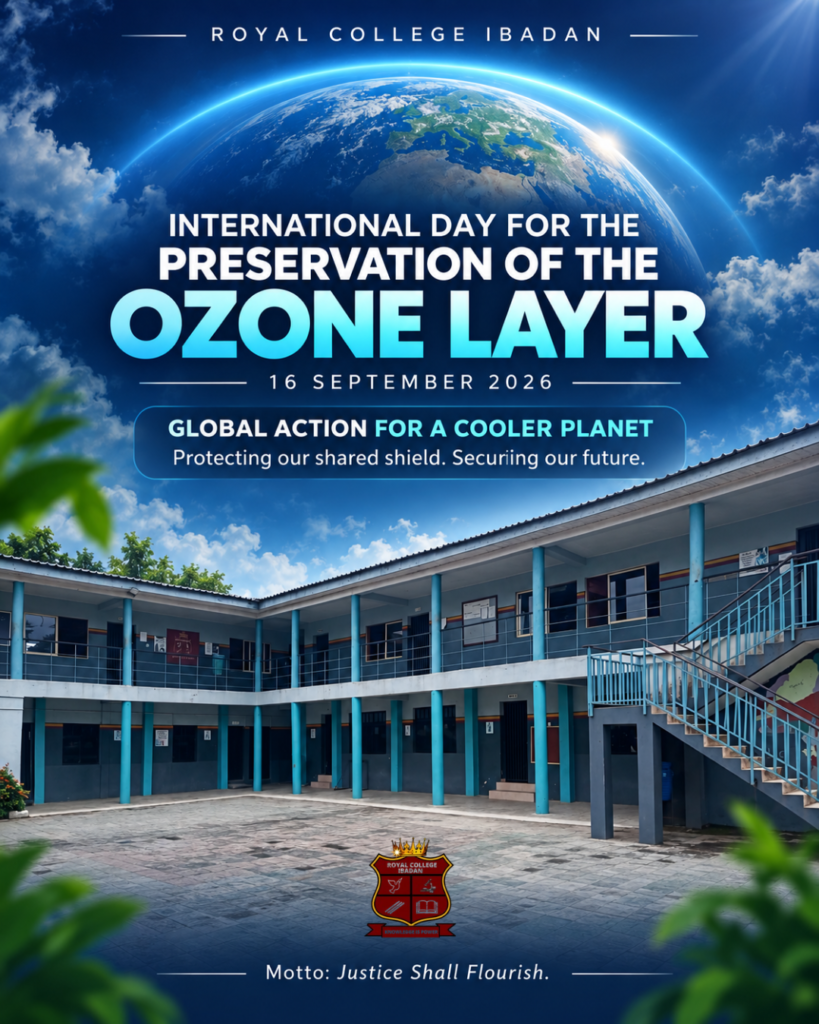
The theme for World Ozone Day 2026 is “Global Action for a Cooler Planet.” The celebration also marks ten years of sustainable cooling under the Kigali Amendment to the Montreal Protocol. The theme connects ozone protection with one of today’s most urgent environmental challenges which is climate change.
As temperatures rise, more people depend on refrigerators and air conditioners to preserve food, store medicines and cope with extreme heat. This is especially important in warm countries such as Nigeria. Yet some cooling systems use hydrofluorocarbons, commonly called HFCs. These chemicals do not directly damage the ozone layer, but some of them are powerful greenhouse gases that contribute significantly to global warming. To address this challenge, countries adopted the Kigali Amendment in Rwanda in 2016. The amendment introduced a global plan to reduce the production and use of HFCs while encouraging safer, more energy-efficient cooling technologies.
Ten years later, the 2026 observance celebrates the progress that has been made and reminds the world that much more remains to be done. The World Ozone Day campaign explains that sustainable cooling can protect the climate while supporting economic development, industrial growth and technological innovation. It also shows that a cooler planet is achievable when governments cooperate, industries act responsibly and international commitments are translated into practical action.
Schools have a special responsibility to help young people understand that caring for the environment is part of caring for humanity. Environmental education should not end with definitions written in notebooks. Instead it should help students see the connection between science and daily life. Teaching them about the ozone layer can lead to conversations about responsible consumption, proper waste disposal, energy conservation and climate-friendly technology.
As for Royal College Ibadan, we believe education should prepare students to become responsible citizens. It is our responsibility to make sure they understand that the Earth they inherit will depend greatly on the choices made today.
The ozone layer protects everyone without regard to nationality, religion, age or social position. Protecting it must therefore remain a shared responsibility.
World Ozone Day 2026 is both a celebration and a call to action. It celebrates the success of the Montreal Protocol and ten years of the Kigali Amendment. At the same time, it reminds governments, industries, schools, communities and individuals to continue supporting sustainable cooling and environmentally responsible choices.
A safer ozone layer and a cooler planet are possible.
Top of Form